Why Businesses Are Adopting Biometric Door Access Systems

Key Takeaways
- Biometric access systems improve security by using unique physical traits instead of cards or keys.
- Face recognition technology offers fast, contactless entry for employees and visitors.
- Businesses benefit from better attendance tracking, access management, and audit records.
- Modern solutions from iDLink Systems help organisations strengthen workplace security while improving convenience.
Introduction
Security has always been a priority for businesses, but the way organisations protect their premises is changing. Traditional keys, PIN codes, and access cards still have their place, yet they come with familiar challenges. Cards can be lost, keys can be copied, and passwords are often forgotten.
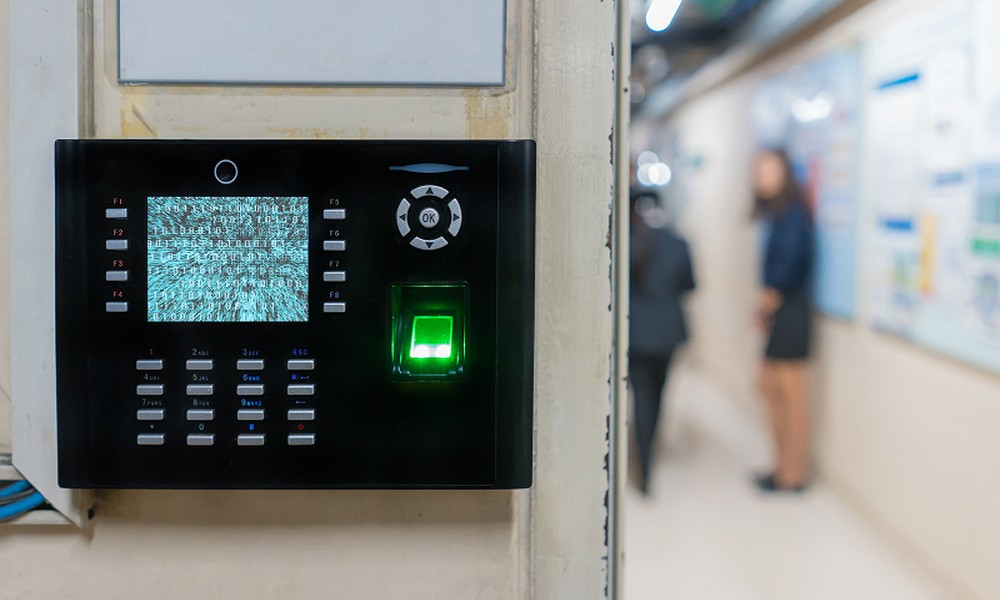
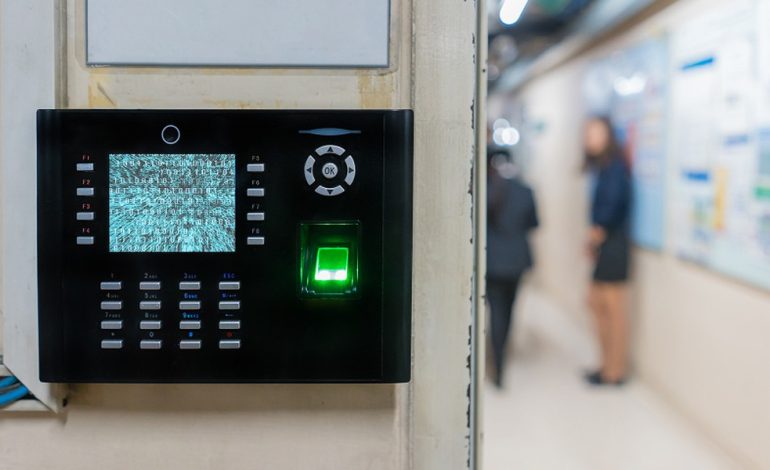
That is why many companies across Singapore are turning to a biometric door access system. By using unique physical characteristics such as fingerprints or facial features, businesses can create a more secure and efficient workplace. As offices become smarter and security expectations continue to rise, biometric technology is quickly becoming a practical choice rather than a luxury.
Why Traditional Access Methods Are Falling Behind
For years, businesses relied on keycards and PIN-based systems to control entry. While these methods are straightforward, they are not always reliable. Employees misplace cards, visitors may gain access through shared credentials, and administrative teams often spend valuable time replacing lost access devices.
Think of it like using a physical key for every digital account. It works, but it creates unnecessary complications. Modern organisations need security solutions that are both strong and easy to manage.
This shift has encouraged many companies to invest in a biometric door access system that verifies a person’s identity through something they are, rather than something they carry. The result is tighter security and fewer opportunities for unauthorised access.
Solutions offered by iDLink Systems are designed to address these concerns. Their biometric access systems combine advanced authentication technologies with user-friendly management tools, helping businesses maintain control over who enters specific areas at any time.
The Rise of Contactless and Smart Access
The demand for contactless technology has grown significantly in recent years. Employees and visitors increasingly expect seamless experiences, whether they are entering an office building, warehouse, or commercial facility.
A face recognition door access system in Singapore has become particularly attractive because it allows individuals to enter without touching shared surfaces. The process is quick, convenient, and accurate. A user simply approaches the terminal, and the system verifies their identity within seconds.
Beyond convenience, facial recognition systems help reduce bottlenecks during busy periods. Morning rush hours, for example, can create long queues at office entrances. Smart access technology keeps people moving efficiently while maintaining security standards.
iDLink Systems provides facial recognition solutions that integrate with broader access control requirements, making them suitable for businesses seeking modern security infrastructure without adding unnecessary complexity.
More Than Security: Better Business Operations
One of the most overlooked advantages of biometric systems is the operational insight they provide. Access records create a clear audit trail, making it easier to monitor movement within a facility and support compliance requirements.
Many organisations also integrate access systems with attendance monitoring. Instead of maintaining separate processes, a single platform can manage entry permissions and workforce tracking. This reduces administrative workload and improves record accuracy.
A face recognition door access system in Singapore can also support different access levels across departments. Sensitive areas such as server rooms, research facilities, and executive offices can be restricted to authorised personnel only.
In a sense, biometric technology acts like a digital gatekeeper. It quietly verifies identities, records activity, and helps organisations maintain control without disrupting daily operations.
Why Businesses Are Looking Ahead with Biometrics
The future of workplace security is increasingly intelligent, connected, and automated. Businesses are not simply looking for a lock on a door; they want systems that provide visibility, efficiency, and confidence.
A well-designed biometric door access system offers exactly that. It reduces reliance on physical credentials, strengthens security measures, and creates a smoother experience for employees and visitors alike.
As Singapore continues embracing smart building technologies, demand for advanced biometric access solutions is expected to grow. Companies that invest early are often better positioned to adapt to evolving security requirements and operational needs.
Conclusion
Businesses today face a balancing act between security, convenience, and operational efficiency. Traditional access methods can no longer meet every requirement of modern workplaces. Biometric technologies, particularly facial recognition and fingerprint authentication, provide a practical way to strengthen security while simplifying daily access management.
With advanced solutions designed for commercial environments, organisations can improve access control, maintain accurate records, and create a safer workplace for everyone. For businesses seeking reliable and future-ready security solutions, biometric access technology has become an increasingly compelling choice.
Contact iDLink Systems today to explore biometric access solutions tailored to your business needs.