Are Solar Panels for Your Home Worth the Investment

Key Takeaways
- Home solar panels can reduce the amount of electricity purchased from the grid, although actual savings depend on system output, household consumption, electricity tariffs and local policies.
- Solar battery storage can increase self-consumption by storing surplus solar electricity for use when panels are producing little or no power.
- Solar installations may influence property value and buyer interest, but the effect varies by housing market, system ownership and installation quality.
- Modern solar photovoltaic panels are designed for long-term outdoor use and generally require limited routine maintenance.
- Whether a solar panel for home is financially worthwhile depends on upfront costs, long-term savings, available incentives and the expected period of home ownership.
Introduction
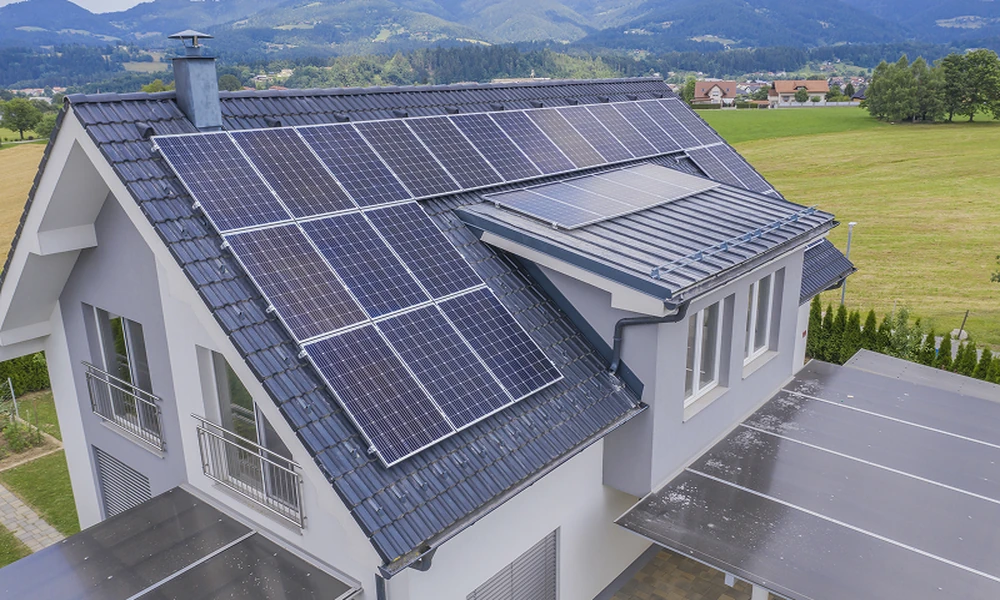
Residential solar panels convert sunlight into electricity that can be used to power household appliances and systems. By generating electricity on site, households may reduce their dependence on electricity supplied through the grid.
However, installing solar panels involves an upfront investment. Homeowners need to consider expected energy savings, equipment lifespan, maintenance requirements and potential effects on property value before deciding whether a solar panel for home offers suitable long-term value.
Can Solar Panels Significantly Reduce Household Utility Expenses?
Solar panels can lower household electricity expenses by supplying part of a home’s electricity demand. The amount saved depends largely on how much solar electricity the system generates and how much of that electricity is used within the property.
Several factors affect potential savings:
- Local sunlight and seasonal weather conditions
- Roof size, orientation, angle and shading
- Household electricity consumption
- Solar system size and efficiency
- Local electricity tariffs
- Rules governing the export of surplus electricity
Homes that use more solar electricity directly can reduce the amount of electricity they need to purchase from the grid. Where local regulations allow compensation for surplus generation, exported electricity may provide an additional financial benefit.
The financial outcome therefore varies between households. A realistic assessment should compare installation costs with estimated annual savings and the expected operating life of the system.
How Does Solar Battery Storage Increase the Benefits of a Home Solar System?
Solar panels generate electricity primarily during daylight hours, but household demand often continues into the evening. Solar battery storage can hold surplus electricity generated during the day and make it available later.
| Without Battery Storage | With Battery Storage |
| Surplus electricity may be exported | Surplus electricity can be stored |
| Greater reliance on the grid after sunset | Stored solar power can be used later |
| Lower upfront system cost | Higher initial investment |
| Simpler system configuration | Additional equipment is required |
Battery systems can therefore increase the proportion of solar electricity consumed within the home. Some systems can also provide backup power during outages when configured with the necessary equipment.
However, batteries add to the initial cost and have their own lifespan and maintenance considerations. Their financial value depends on electricity pricing, export arrangements, household consumption patterns and battery replacement costs.
Can Solar Panels Increase Property Value and Buyer Appeal?
Solar panels may make a property more attractive to buyers who value lower ongoing energy expenses or renewable electricity generation. Research in some housing markets has found an association between owned residential solar systems and higher sale prices.
The effect is not uniform, however. Property value may be influenced by:
- Whether the solar system is owned outright, financed or leased
- The age and remaining useful life of the equipment
- Documented electricity savings
- Installation quality and condition
- Local demand for energy-efficient homes
A well-maintained, owned system may be simpler for prospective buyers to evaluate than one involving an ongoing financial agreement. Homeowners should therefore retain installation documents, warranties and maintenance records.
Solar panels can contribute to buyer appeal, but their effect should be considered alongside broader property characteristics and local market conditions.
How Durable Are Solar Panels, and How Much Maintenance Do They Require?
Residential solar panels are designed to operate outdoors for decades. Many manufacturers provide long-term product or performance warranties, although warranty periods and conditions vary.
Routine maintenance is generally limited. Typical requirements include periodic visual inspections, monitoring electricity production and cleaning when dirt or debris significantly affects performance.
Other system components may require attention sooner than the panels themselves. Inverters and batteries have separate operating lifespans, so long-term ownership costs should account for possible repair or replacement.
Overall, durability and relatively limited maintenance can support the long-term economics of residential solar. The final investment decision should still consider installation costs, expected savings and the condition of the property.
FAQs
How long does it take for home solar panels to pay for themselves?
The payback period varies according to installation cost, electricity prices, system output, available incentives and household energy use. Homeowners should calculate expected annual savings against the net upfront cost.
Do solar panels still generate electricity on cloudy days?
Yes. Solar photovoltaic panels can generate electricity from available daylight during cloudy conditions, although output is generally lower than during strong direct sunlight.
Is solar battery storage necessary for home solar panels?
No. Solar panels can operate without batteries, but solar battery storage can allow households to use more of their generated electricity outside daylight hours.
What should homeowners check before installing solar panels?
Homeowners should assess roof condition, shading, available space, household electricity demand, installation costs, local regulations and available incentives. Comparing these factors provides a clearer indication of whether residential solar is financially suitable.
If you are interested in installing a solar panel for your home, contact LHN Energy to see how our residential solutions can power your life.