What Is Precision Dispensing and Why Is It Important in Manufacturing?

Key Highlights
- Precision dispensing is essential for the assembly of miniaturised electronic components.
- Consistent fluid application prevents structural failures in automotive and aerospace parts.
- Pressure tanks serve as the stabilising force behind high-accuracy dispensing systems.
- Reducing material variance leads to significant cost savings in high-volume production.
Introduction
As consumer products become smaller, smarter, and more complex, the demands placed on manufacturing processes have reached unprecedented levels. One of the most critical aspects of modern assembly is precision dispensing, the process of applying exact amounts of fluids like adhesives, solders, and coatings. In industries such as electronics, medical device manufacturing, and aerospace, the margin for error is virtually zero. A single microlitre of excess material can cause a short circuit, while a microscopic deficiency can lead to structural failure. To achieve the necessary level of accuracy, manufacturers rely on sophisticated equipment, with pressure tanks playing a central role in maintaining system stability. By understanding the importance of precision in fluid delivery, businesses can better appreciate the technical requirements of the modern production floor.
Meeting the Demands of Miniaturisation
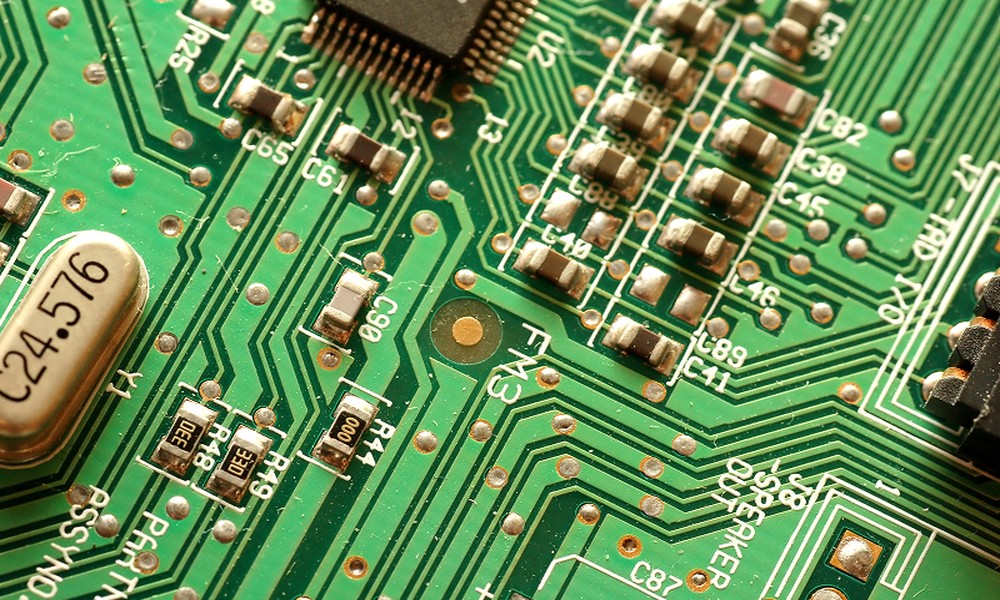
The trend toward miniaturisation in the electronics industry has made precision dispensing more important than ever before. Modern smartphones, wearables, and medical sensors contain components that are barely visible to the naked eye. Assembling these devices requires applying conductive adhesives or protective coatings in extremely tight spaces. Standard dispensing methods are often too crude for these tasks, as they cannot guarantee the minute volumes required. Precision systems allow for the placement of dots and lines with micron-level accuracy, ensuring that every component is securely bonded without interfering with neighbouring parts.
To achieve this, the dispensing equipment must be supported by a stable fluid supply. Pressure tanks are frequently used to provide this stability, ensuring the material is delivered to the dispensing head without any fluctuations in flow. When the fluid pressure is perfectly regulated, the dispensing system can maintain its accuracy over millions of cycles. This capability enables the mass production of the high-tech gadgets that define modern life, allowing for complex designs that were once considered impossible to manufacture at scale.
Enhancing Structural Integrity and Safety
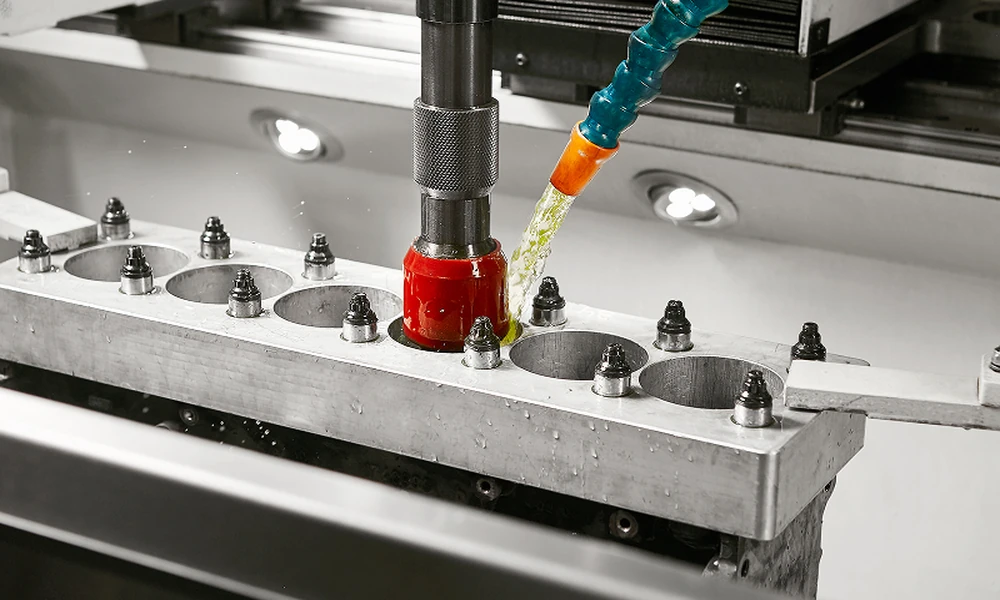
In the automotive and aerospace sectors, precision dispensing is often a matter of safety and structural integrity. Adhesives and sealants are increasingly used to replace traditional fasteners such as rivets and bolts, as they distribute stress more evenly and reduce the overall weight of the vehicle or aircraft. However, the performance of these chemical bonds depends entirely on the consistency of the application. If the adhesive layer is uneven or contains air pockets, the bond may fail under mechanical stress or extreme temperatures. Precision dispensing ensures that every joint receives a uniform layer of material, meeting the rigorous safety standards of these industries.
The role of pressure tanks in these high-stakes applications is to provide a pulse-free material feed. High-viscosity sealants used in structural bonding require significant force to move through the delivery lines. Without a robust and pressurised reservoir, the flow could become staggered, leading to gaps in the sealant bead. By using a pressurised system, manufacturers ensure the material remains in a constant state of readiness, enabling a smooth and continuous application that guarantees the safety of the final assembly.
Eliminating Material Waste and Rework
In high-volume manufacturing environments, material waste can quickly become a major financial burden. Many specialised fluids, such as silver-filled conductive epoxies or medical-grade silicones, are extremely expensive. Precision dispensing systems are designed to use only the exact amount of material required for each part, virtually eliminating over-application. By controlling the volume of every deposit, manufacturers can significantly reduce their overall material consumption. This not only lowers production costs but also contributes to more sustainable manufacturing practices by reducing chemical waste.
Furthermore, precision helps to avoid the costly process of rework. When a dispensing error occurs, the affected part must either be scrapped or painstakingly cleaned and re-processed. Both scenarios result in lost time and increased labour costs. By utilising pressure tanks to ensure a reliable and consistent fluid supply, companies can achieve a right-first-time production rate. This reliability keeps the assembly line moving efficiently and ensures that the output meets quality standards without the need for constant inspections and corrections.
Improving Process Repeatability
Repeatability is the cornerstone of successful automation. For a robotic dispensing system to be effective, it must perform the same action repeatedly without deviation. Precision dispensing equipment is engineered to provide this level of consistency, but it is highly dependent on the stability of the entire system. Any change in the environment, such as a drop in fluid level or a fluctuation in air pressure, can alter the dispensing outcome. This is why pressure tanks are so vital; they isolate the fluid from these external variables and provide a controlled environment for the material.
When a system is truly repeatable, manufacturers can increase their production speeds with confidence. They can program complex dispensing paths and high-speed cycles, knowing that the equipment will deliver the same results every time. This predictability allows for better production planning and more accurate forecasting of manufacturing timelines. In a competitive global market, the ability to produce high-quality goods consistently and quickly is a significant advantage made possible by the marriage of precision dispensing technology and reliable pressure management.
Conclusion
Precision dispensing is no longer a luxury in manufacturing; it is a fundamental necessity for producing high-quality, reliable, and cost-effective products. From the intricate assembly of microchips to the structural bonding of aircraft wings, the ability to control fluid application is vital. By integrating advanced equipment and stable pressure tanks into their workflows, manufacturers can meet the highest technical standards while reducing waste and increasing efficiency. As technology continues to evolve, the demand for even greater precision will only grow, making these systems the backbone of the next generation of industrial innovation.
Contact Unicontrols today to discover how our precision dispensing technology can enhance your manufacturing capabilities.